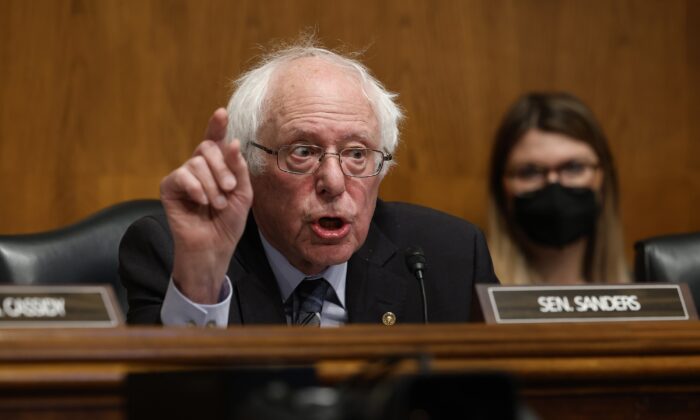
Sen. Bernie Sanders (I-Vt.), in a bid to curb the growing diabetes crisis gripping the country, says the food and beverage industry should not be able to target kids with advertising for unhealthy products.
The senator made the remarks at a Dec, 14 hearing before the Committee on Health, Education, Labor & Pension, which he chairs. The session cast a spotlight on the monetary gain experienced by companies marketing unhealthy foods, particularly those targeting children.
The hearing included testimony from expert witnesses, including Dr. Kasia Lipska, Associate Professor of Medicine at Yale School of Medicine. The doctor expanded on the impact of the food industry on consumer choices and highlighted the addictive nature of ultra-processed foods….
Targeting the Root Cause: Sanders Calls for Ban on Kid-Focused Unhealthy Food Ads
Vermont Senator Bernie Sanders, alarmed by the escalating diabetes crisis, has ignited a firestorm with his demand for a ban on food and beverage companies targeting children with ads for unhealthy products. In a December 14th hearing before the Senate Committee on Health, Education, Labor & Pensions, which he chairs, Sanders shone a harsh light on the financial motives driving the marketing of junk food, particularly to children.
The hearing, titled “Examining the Influence of the Food Industry on Dietary Choices and Health Outcomes,” featured expert testimony that painted a disturbing picture. Dr. Kasia Lipska, Associate Professor of Medicine at Yale School of Medicine, delved into the intricate web woven by the food industry to manipulate consumer choices. She emphasized the addictive nature of ultra-processed foods, highlighting how their design triggers reward pathways in the brain, leading to overconsumption and ultimately, chronic health problems like diabetes.
Sanders, citing the staggering statistics – one in three American adults now lives with pre-diabetes or diabetes – declared, “We simply cannot continue to allow the food industry to prey on our children.” He pointed to the ubiquitous presence of sugary cereals, processed snacks, and fast food advertisements in children’s programming and on social media platforms. “These are not innocent marketing campaigns,” he asserted. “They are meticulously crafted strategies designed to hook kids on unhealthy products, often with lifelong consequences.”
The proposed ban, while facing resistance from the powerful food lobby, has garnered support from public health advocates and parents who worry about the insidious influence of junk food advertising. Studies have shown that children exposed to unhealthy food marketing are more likely to consume these products, increasing their risk of developing obesity, diabetes, and other chronic diseases later in life.
Sanders’ initiative is not merely about protecting children; it’s about tackling the root cause of a national health crisis. Diabetes costs the United States an estimated $327 billion annually, placing an immense burden on individuals, families, and the healthcare system. By curbing the marketing of unhealthy products to children, Sanders hopes to break the cycle of addiction and prevent future generations from falling victim to the devastating consequences of poor dietary choices.
The fight for a healthier future is far from over. The food industry, with its deep pockets and powerful lobbying arm, will undoubtedly fight tooth and nail against any restrictions on its advertising practices. However, Sanders’ bold stance has ignited a critical conversation and empowered millions of Americans to demand change. With continued public pressure and unwavering commitment, the dream of a healthier generation, free from the shackles of predatory marketing and the grip of chronic disease, may just become a reality.
This is not just about banning ads; it’s about reclaiming our health, our children’s future, and our collective well-being. In the face of a growing diabetes crisis, Senator Sanders’ call for action is a step in the right direction, a beacon of hope in the fight for a healthier tomorrow.