
The company’s latest Apple Watches have been on the market for just three months. Now, not even Apple is sure when it can sell them again.
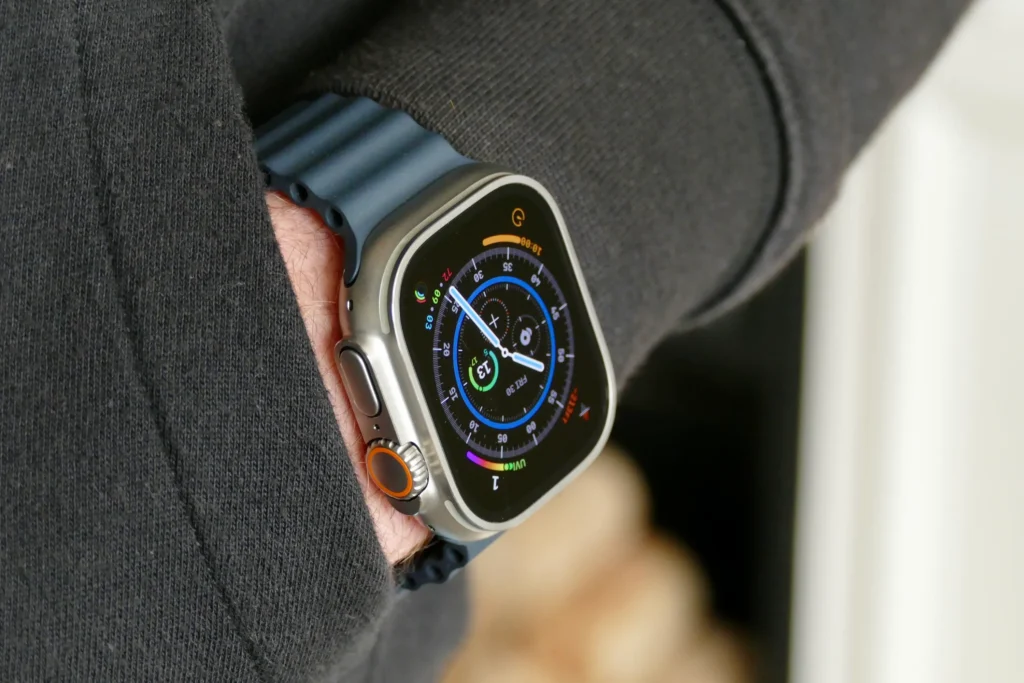
Apple Watch on Shaky Ground: Sales Halt Leaves Future Uncertain for Hit Wearable
Just three months after Apple unveiled its newest generation of Apple Watches, the Series 9 and Ultra 2, the tech giant has hit the brakes on sales in the United States. This unprecedented move stems from a patent dispute with medical technology company Masimo, leaving Apple and its customers in a state of uncertainty.
The crux of the issue lies in the blood oxygen sensor technology these latest Apple Watches boast. Masimo claims Apple infringed upon its patent, a claim the U.S. International Trade Commission (ITC) upheld in October, issuing an order potentially barring Apple from importing the aforementioned Watch models. The decision rests with President Biden, who has until December 25th to veto or uphold the ITC’s ruling.
Apple maintains its innocence, emphasizing its belief that the ITC’s finding is inaccurate and should be reversed. Additionally, the company has submitted evidence arguing that a ban on these watches would harm public health by limiting access to the ECG, blood oxygen, and other health-related features they offer.
However, the potential consequences of an upheld ban are significant. With the holiday season in full swing, Apple has already begun proactively halting sales of the Series 9 and Ultra 2 on its website, with retail locations set to follow suit after December 24th. This abrupt stop-and-go could dent holiday sales and damage consumer confidence in these just-released products.
Beyond the immediate financial implications, the situation raises questions about the future of Apple Watch innovation. If Masimo’s patent holds firm, Apple might need to redesign its blood oxygen sensor technology, delaying or even hindering future advancements in this crucial health feature.
For customers who already own Series 9 or Ultra 2 watches, the future remains cloudy. Apple assures continued warranty and repair services, but it’s unclear when or if additional features or updates will be available. The uncertainty of their purchase’s long-term viability adds another layer of frustration to the situation.
The Apple Watch saga exemplifies the complex interplay between innovation, intellectual property, and public health. While technological advancements deserve protection, balancing those protections with public access to valuable health features is a delicate dance. The coming weeks will determine whether Apple’s latest Watch offerings become casualties of a patent battle or find their way back onto wrists, leaving the company and its customers to await President Biden’s final decision with bated breath.